By next decade, AI, smart mobility, digital ecosystems, and personalized experiences will redefine travel, making every journey more connected, efficient, sustainable, and enjoyable.
What Will Travel Look Like in next decade? Exploring the Future of Smart, Connected, and Personalized Journeys
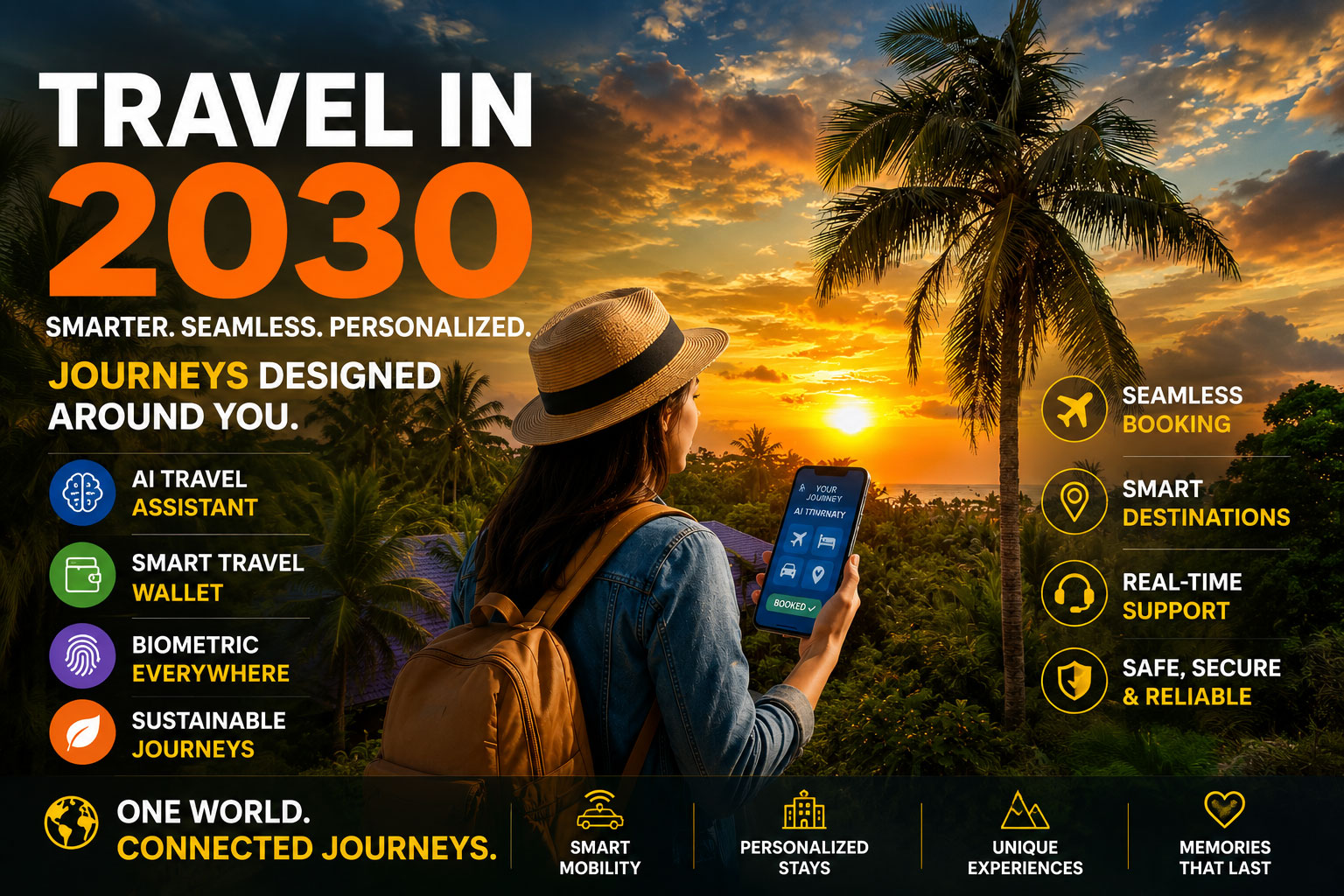
The travel industry is evolving faster than ever before. Advances in Artificial Intelligence (AI), digital connectivity, automation, and sustainable technologies are reshaping how people plan, book, and experience their journeys. By next decade, travel will no longer revolve around simply moving from one destination to another. Instead, it will become an intelligent, personalized, and connected experience where technology anticipates traveler needs and delivers seamless journeys from start to finish.
The future of travel promises to be smarter, faster, safer, and more enjoyable than ever before.
Artificial Intelligence Will Become Every Traveler’s Companion
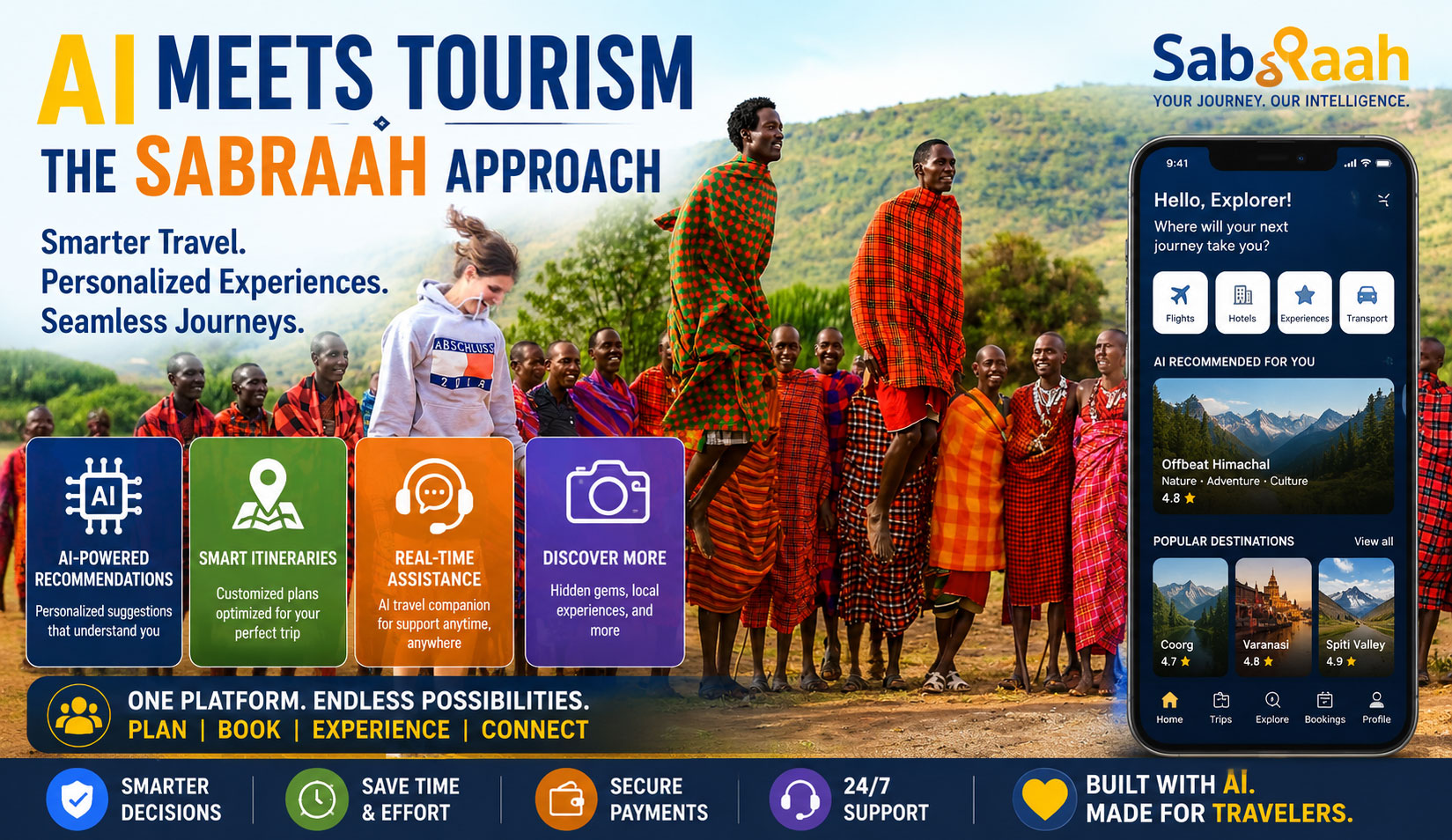
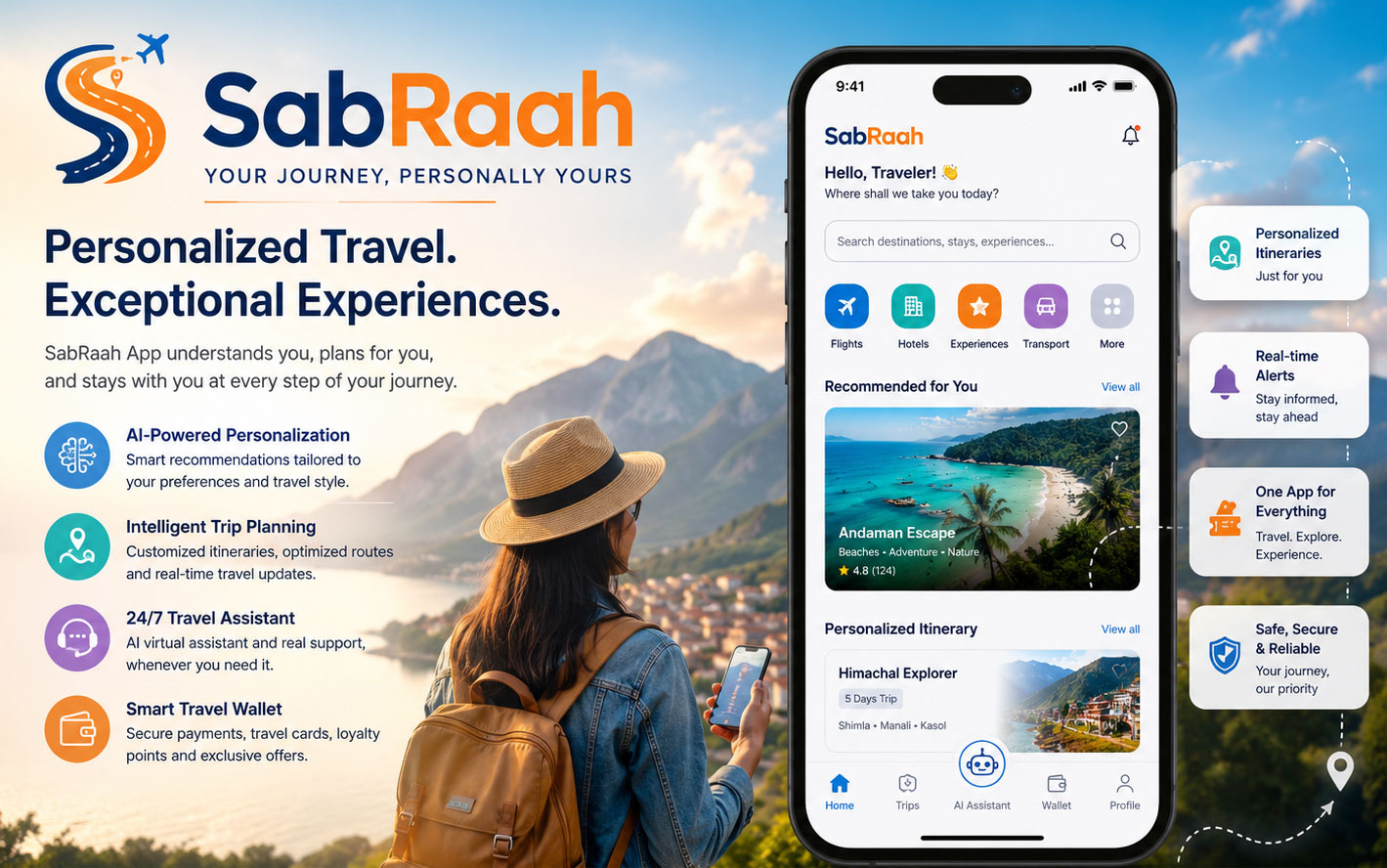
By next decade, AI will play a central role throughout the travel lifecycle. Intelligent travel assistants will understand individual preferences, budgets, travel history, dietary requirements, and interests to create highly personalized itineraries.
Instead of searching through hundreds of travel options, travelers will simply describe their desired experience. AI-powered platforms will instantly recommend destinations, accommodations, transportation, restaurants, attractions, and local events that perfectly match their preferences.
These intelligent assistants will continue learning from every trip, making future recommendations increasingly accurate and personalized.
Booking Will Become Seamless
Traditional booking processes involving multiple websites and applications will gradually disappear. Unified travel platforms will combine flights, hotels, local transportation, activities, dining, entertainment, insurance, and payment services into a single digital ecosystem.
Travelers will plan entire vacations using one application, receiving dynamic pricing, bundled packages, and real-time availability across every travel service.
Voice commands, conversational AI, and predictive recommendations will simplify booking, reducing planning time from hours to just minutes.
Smart Travel Wallets Will Replace Traditional Documents
By next decade, physical travel documents will become increasingly rare. Digital travel wallets will securely store passports, visas, boarding passes, hotel reservations, loyalty rewards, insurance documents, and payment credentials within a single mobile platform.
Biometric authentication, facial recognition, and secure digital identities will enable travelers to move through airports, hotels, railway stations, and border checkpoints with minimal paperwork.
These wallets will also manage foreign currency, track travel expenses, monitor exchange rates, and facilitate secure contactless payments worldwide.
Intelligent Airports and Smart Cities
Airports and transportation hubs will become highly intelligent environments powered by automation, AI, and real-time analytics.
Biometric boarding, automated baggage tracking, predictive security screening, and AI-driven passenger flow management will significantly reduce waiting times.
Smart cities will integrate public transport, ride-sharing, electric mobility, bike rentals, and pedestrian navigation into unified mobility platforms. Travelers will receive real-time guidance on the fastest, safest, and most sustainable routes throughout their journey.
The result will be smoother travel experiences with fewer delays and greater convenience.
Hyper-Personalization Will Become Standard
Personalization will extend far beyond recommending destinations. Travel platforms will understand individual preferences in remarkable detail.
Hotels may automatically adjust room temperatures, lighting, entertainment options, and dining preferences before guests arrive. Restaurants may recommend menus based on dietary requirements. Attractions may offer customized tour routes based on visitor interests and available time.
Travel experiences will continuously adapt as travelers move through destinations, creating journeys that feel uniquely designed for every individual.
Sustainable Travel Will Drive Innovation
Environmental responsibility will become a defining factor in tourism by 2030. Travelers will increasingly choose destinations, accommodations, and transportation providers based on sustainability practices.
Digital platforms will calculate carbon footprints, recommend eco-friendly travel options, and encourage responsible tourism through intelligent recommendations.
Electric transportation, renewable-energy-powered hotels, smart resource management, and environmentally conscious tourism experiences will become increasingly common worldwide.
Technology will help balance tourism growth with environmental preservation.
Connected Tourism Ecosystems
The future of travel depends on collaboration across the tourism industry.
Airlines, hotels, transportation providers, event organizers, restaurants, attractions, healthcare providers, and local governments will operate through interconnected digital ecosystems.
These platforms will exchange real-time information securely, enabling better coordination, dynamic pricing, personalized recommendations, and improved visitor experiences.
Travelers will benefit from a single connected environment that manages every aspect of their journey while reducing complexity and improving convenience.
Techburg Industries’ Vision for 2030
At Techburg Industries, we believe the next generation of travel will combine intelligent technology with exceptional customer experiences. Through our Travel & Entertainment Technology Division, we are committed to exploring innovative digital platforms that simplify travel planning, personalize every journey, and connect travelers with destinations in more meaningful ways.
Our vision includes AI-powered travel assistants, intelligent itinerary planning, smart travel wallets, connected tourism ecosystems, digital entertainment integration, and customer-centric travel solutions designed for tomorrow’s connected world.
As technology continues to evolve, travel will become increasingly intuitive, immersive, and responsive to individual needs.
The Journey Ahead
By next decade, successful travel companies will no longer compete solely on price or destination choices. They will compete on intelligence, personalization, convenience, and customer experience.
Travelers will expect platforms to understand them, anticipate their needs, and simplify every aspect of their journey. Companies that combine Artificial Intelligence, digital innovation, sustainable practices, and customer-centric design will shape the future of global tourism.
The future of travel is not just about reaching a destination – it is about creating intelligent experiences that begin long before departure and continue long after the journey ends.
#Travel2030 #FutureOfTravel #TravelTechnology #ArtificialIntelligence #SmartTourism #DigitalTravel #TravelInnovation #SmartCities #PersonalizedTravel #TechburgIndustries