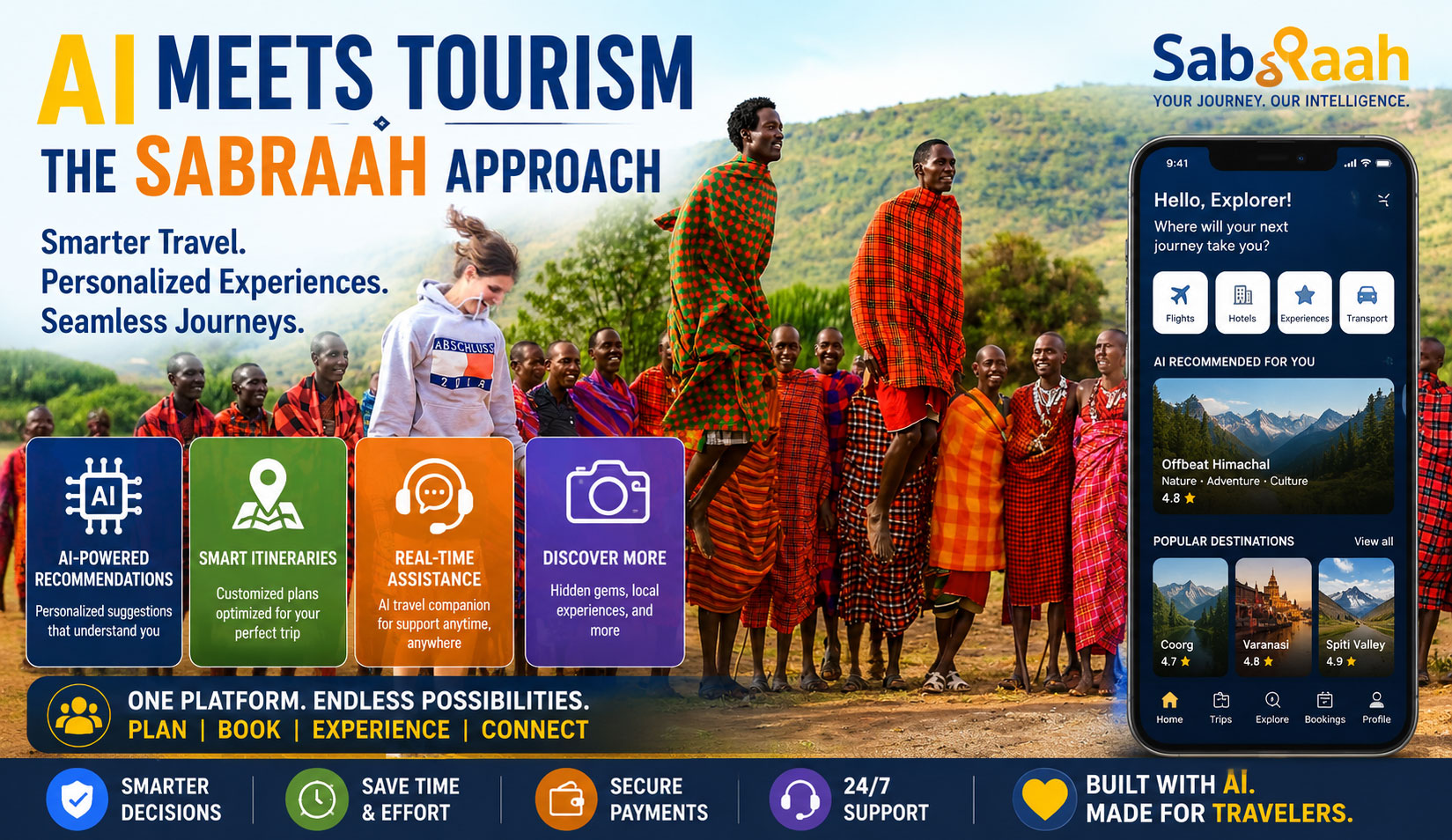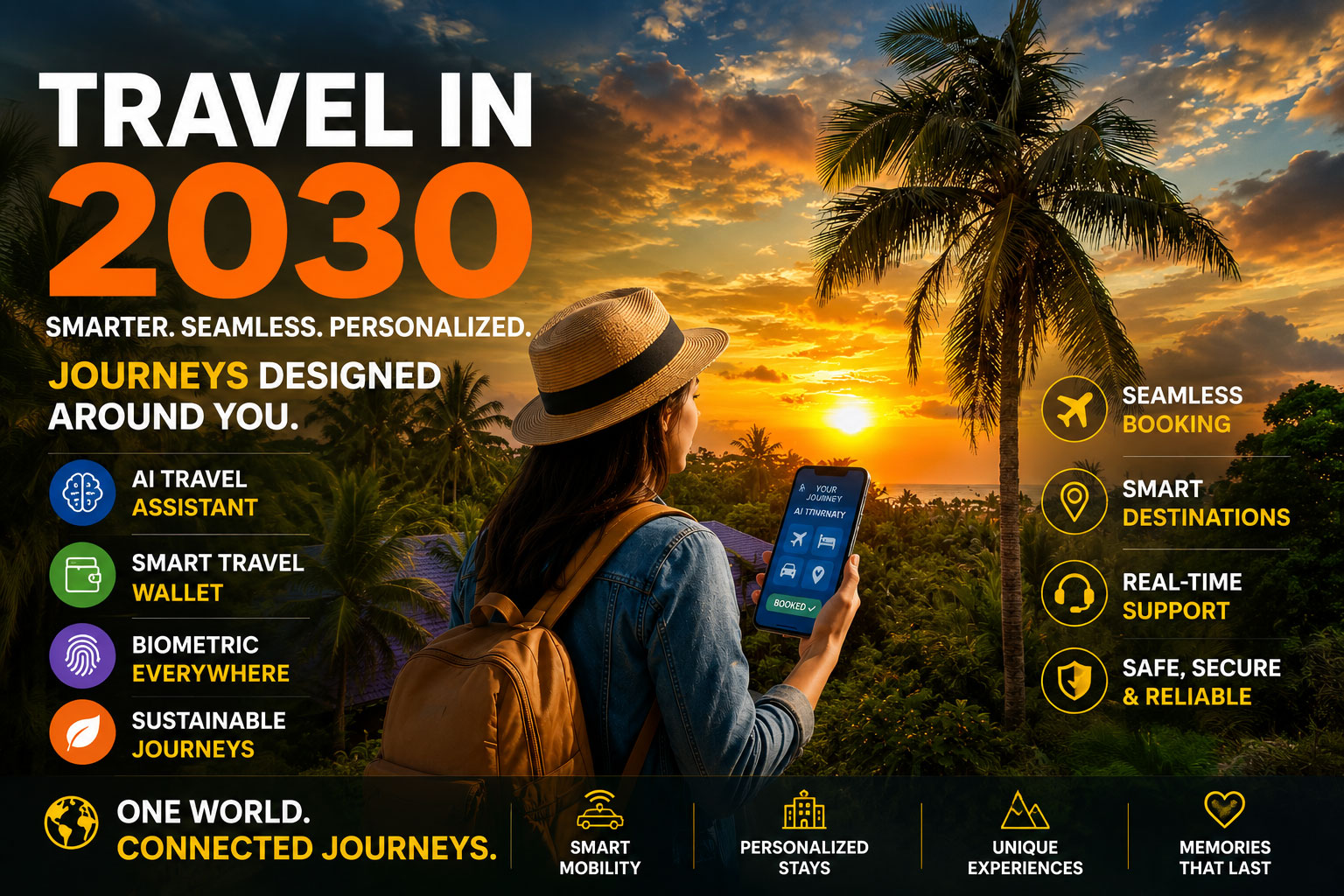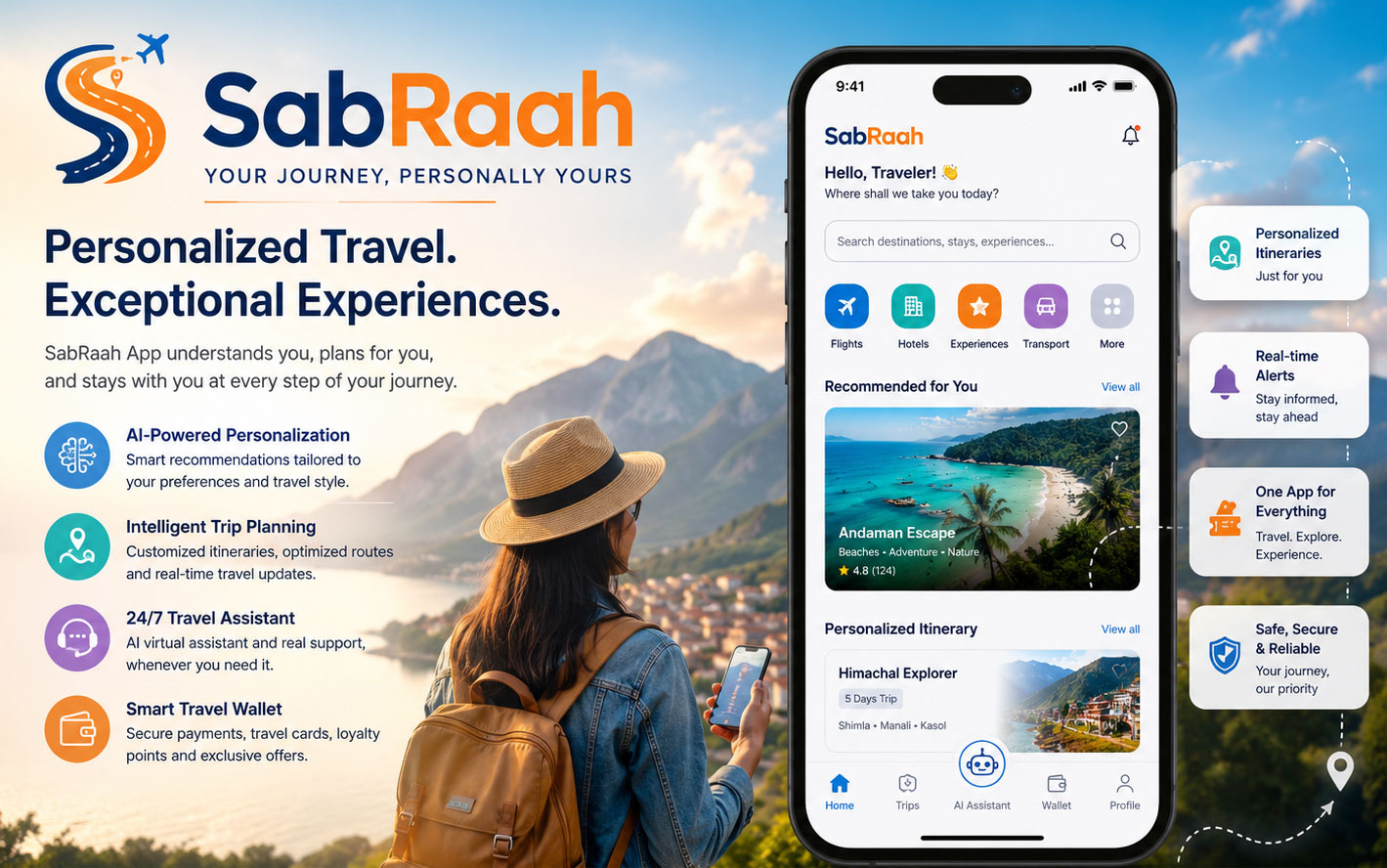

Travel technology will increasingly rely on AI‑driven automation, smart travel wallets, and intelligent infrastructure to deliver seamless, hyper‑personalised experiences from planning to return home.
The global travel industry is experiencing a technological revolution. As travelers demand faster, smarter, and more personalized experiences, travel technology is evolving beyond simple booking platforms into intelligent ecosystems that connect people, services, destinations, and infrastructure. Artificial Intelligence (AI), smart financial tools, digital tourism ecosystems, and intelligent infrastructure are also reshaping how people travel, transforming every stage of the journey into a seamless and connected experience.
The future of travel will not simply focus on moving people from one location to another. It will focus on creating intelligent, frictionless, and highly personalized journeys designed around individual traveler needs.
AI-Driven Automation is Transforming Travel
Artificial Intelligence has become one of the most influential forces in modern travel technology. Travel companies increasingly use AI to automate routine processes, improve efficiency, and enhance customer experiences.
AI-powered travel assistants can generate customized itineraries, compare accommodation options, monitor flight schedules, and recommend activities based on user preferences. These intelligent systems reduce the complexity of travel planning while helping travelers make faster and more informed decisions.
Automation also extends to customer service. AI chatbots and virtual travel agents can answer questions, resolve booking issues, process cancellations, suggest alternatives, and provide real-time travel updates. During disruptions such as weather delays or flight cancellations, AI systems can automatically recommend alternative arrangements, reducing stress for travelers and improving operational efficiency for service providers.
As AI capabilities continue to advance, automation will become an essential component of every successful travel platform.
Smart Travel Wallets are Simplifying Travel Payments
Financial technology is playing an increasingly important role in modern tourism. Smart travel wallets are emerging as comprehensive digital tools that simplify payments and travel management.
These wallets can store boarding passes, tickets, loyalty points, travel insurance documents, digital vouchers, and payment credentials within a single secure mobile application. Travelers no longer need to manage multiple cards, paper documents, or disconnected apps during their journeys.
Advanced travel wallets also allow users to monitor spending, manage foreign currency transactions, set travel budgets, and track exchange rates in real time. Many travel providers now integrate wallet functionality directly into their platforms, creating smoother payment experiences across transportation, hospitality, dining, and entertainment services.
By combining convenience, security, and financial transparency, smart travel wallets are also helping create more connected and user-friendly travel experiences.
Digital Tourism Ecosystems are Creating Connected Experiences
The future of tourism depends on connectivity. Digital tourism ecosystems bring together airlines, hotels, transportation providers, attractions, event organizers, and local businesses through shared digital infrastructure.
Instead of operating as isolated services, travel providers can collaborate through connected platforms that exchange real-time information and deliver unified experiences. Travelers can access flights, accommodations, local transportation, guided tours, event tickets, and destination information through a single digital environment.
Governments and tourism authorities are increasingly investing in interoperable systems that allow businesses to share relevant travel data securely and efficiently. These ecosystems also improve coordination, support dynamic pricing models, and enable the creation of customized travel packages tailored to specific traveler preferences.
Connected tourism ecosystems also help destinations manage visitor flows, reduce congestion, and improve sustainability efforts through better data-driven decision-making.
Intelligent Infrastructure is Reshaping Travel
Travel experiences increasingly depend on intelligent infrastructure. Airports, railway stations, public transportation networks, and urban mobility systems are integrating digital technologies into their operations to improve efficiency and traveler convenience.
Smart airports now also use biometric authentication, automated baggage handling, AI-powered security screening, and intelligent queue management systems to streamline passenger movement. Predictive maintenance technologies help transportation providers monitor equipment performance and reduce operational disruptions.
Cities are also embracing intelligent mobility solutions. Real-time traffic management, integrated transportation platforms, smart parking systems, and digital wayfinding tools help travelers navigate unfamiliar environments more easily.
By embedding intelligence into physical infrastructure, destinations can improve accessibility, enhance traveler satisfaction, and create safer and more efficient transportation experiences.
Hyper-Personalization is Defining the Future of Travel
Perhaps the most visible transformation in travel technology is the rise of hyper-personalization. Modern travelers increasingly expect experiences tailored to their unique interests, preferences, and behaviors.
AI-driven travel platforms can also analyze historical travel patterns, spending habits, activity preferences, and contextual information to deliver highly personalized recommendations. These systems can suggest destinations, accommodations, restaurants, activities, and entertainment options that align closely with individual traveler profiles.
The next generation of travel platforms will go beyond recommendations. They will continuously adapt to changing circumstances and traveler behavior. If a traveler spends more time exploring a destination than planned, the system can automatically adjust schedules, modify reservations, and suggest nearby experiences in real time.
This level of personalization transforms travel from a standardized process into a dynamic and highly individualized experience.
The Road Ahead
At Techburg Industries, we believe the future of travel lies at the intersection of artificial intelligence, digital connectivity, financial innovation, and personalized experiences. Through our Travel & Entertainment Technology Division, we are also focused on exploring intelligent solutions that simplify travel planning, enhance tourism engagement, and create seamless digital experiences for modern travelers.
As AI, smart wallets, connected ecosystems, and intelligent infrastructure continue to evolve, travel will also become increasingly effortless, personalized, and data-driven. The companies that successfully combine these technologies will help define the next generation of tourism.
The future traveler will not simply book a journey – they will experience a connected ecosystem designed around their needs, preferences, and aspirations.
TravelTechnology #ArtificialIntelligence #SmartTravel #DigitalTourism #TravelInnovation #TravelWallet #SmartCities #HyperPersonalization #TravelTech #TechburgIndustries